
Concrete is a mixture of cement, aggregates (sand and gravel), and water. When water is added, it reacts chemically with cement through a process known as hydration, forming strong bonds that make concrete one of the most durable building materials on earth.
However, when concrete becomes too wet, it may look smooth and easy to pour, but once it hardens, the strength and performance can be seriously reduced. Wet concrete might seem convenient at first, yet it often leads to long-term structural problems.
The Role of Water in a Concrete Mix
Water is vital in every concrete mix—it activates the cement and forms hydrated compounds that bind the aggregates together into a solid structure. But maintaining the right balance is critical.
Too little water makes the mix stiff and unworkable, while too much water in concrete increases porosity, dilutes the cement paste, and weakens the final material.
This balance is defined by the water–cement ratio, the most important factor controlling strength. When the ratio is too high, the extra water creates capillary voids as it evaporates, reducing both density and durability.

In simple terms: the wetter the concrete, the weaker it becomes.
Problems Caused by Too Much Water in Concrete
When concrete is too wet, several serious defects can appear during and after placement. Understanding these problems helps prevent costly repairs and structural failures.
Segregation and Bleeding
Wet concrete often separates into layers—heavier aggregates sink while water rises to the surface. This segregation and bleeding reduce surface density and make the hardened concrete weak and porous.
Construction Defects
Overly wet concrete deforms formwork, leaks slurry, and creates visible flaws such as honeycombing and uneven texture. In severe cases, reinforcement bars may become exposed.
Uneven Mixing
If the added water isn't fully re-mixed, it creates soft spots and inconsistent strength. These weak zones become potential failure points over time.
Distorted Mix Design
Adding extra water without adjusting other components alters the mix proportions. This raises the water–binder ratio and leads to a measurable loss in compressive strength.
Floating Slurry and Low Density
A thin layer of slurry often forms on the surface of wet concrete. This indicates low density and poor crack resistance, resulting in weak waterproofing and reduced durability.
Internal Voids
Excess water leaves behind more voids and micro-channels inside the concrete. These openings make it easier for air, moisture, and chemicals to penetrate, accelerating corrosion and degradation.
Weak Surface Layer
The surface of wet concrete becomes chalky, porous, and easy to wear. Over time, it loses resistance to abrasion and carbonation.
An 8 m³ batch designed with a water–cement ratio of 0.48 receives an additional 35 gallons (132 L) of water. The ratio increases to about 0.56, reducing compressive strength from 4800 psi to 4150 psi—a drop of around 650 psi (≈45 kg/cm²). In structural applications, that's enough to fail inspection or require costly repair.
How to Fix Concrete That's Too Wet
The approach to fixing wet concrete depends on its current state. Quick action can prevent permanent damage and maintain structural integrity.
If Not Yet Poured
Add Dry Materials
Rebalance the mix by adding cement, sand, and gravel according to the original design. Mix thoroughly until the texture becomes uniform.
Use a Water-Reducing Admixture
A polycarboxylate-based superplasticizer, such as Mikazone polycarboxylate superplasticizer, can improve flowability and slump without increasing water content—keeping the mix strong while easy to handle.
If Already Poured but Not Yet Set
Increase Vibration Time
Vibrate slightly longer to help expel excess water, but don't over-vibrate, as it may cause segregation.
Remove Surface Water
Use a sponge or dewatering vacuum to remove bleeding water from the surface before finishing.
Cover for Curing
Immediately cover the surface with plastic sheeting to prevent uneven evaporation and plastic shrinkage cracks.
If Hardened
Test the Strength
Check strength using a rebound hammer or core test. If the wet concrete has hardened too weak, consider strengthening with fiber wrapping or section enlargement.
Repair Defects
Chisel away weak or loose material and repair with high-strength mortar or epoxy resin for a solid finish.
Preventive Measures
How to Tell If Concrete Is Too Wet
Early detection of wet concrete prevents structural problems. Several reliable methods help identify excessive water content before it causes permanent damage.
Visual Signs
If concrete flows like liquid and bleed water appears on top, it's too wet.
Sound Test
If you hear loud clattering from aggregates in the mixer, the concrete may have become overly wet and separated.
Slump Test
The slump test is the most accurate way to check if concrete is too wet. A slump over 100 mm indicates excessive moisture and potential strength loss.
Recommended Water–Cement Ratios
Understanding the proper water–cement ratio for different concrete types ensures optimal performance and durability. The table below provides standard guidelines for various applications.
| Concrete Type | Water–Cement Ratio | Description |
|---|---|---|
| Normal Concrete | 0.4 – 0.6 | Standard range balancing workability and strength |
| High-Strength Concrete | < 0.4 | Ensures maximum compressive strength |
| Flowable or Low-Strength Mix | > 0.6 | Easier to pour but much weaker |
For 300 kg of cement and a ratio of 0.45:
$$\text{Water} = 0.45 \times 300 = 135 \text{ kg}$$
Mikazone's High-Performance Water Reducer for Wet Concrete
At Mikazone, we know that precise water control determines the success of every concrete mix. Our polycarboxylate superplasticizers help maintain optimal workability while keeping the mix strong — the perfect solution for wet concrete correction and prevention.
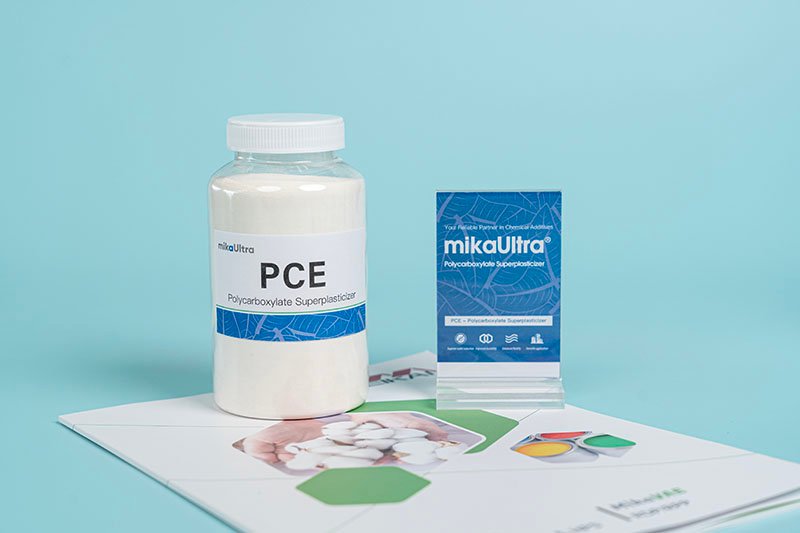
Key Advantages
Higher Strength
Reduces water demand by up to 30%, increasing 28-day strength by 10–20%.
Improved Durability
Reduces porosity and enhances resistance to carbonation, water, and chemical attack.
Eco-Friendly & Cost-Effective
Saves cement, reduces CO₂ emissions, and cuts total cost by up to 12%.
Ideal Applications
- Pumped or self-compacting concrete
- Mass pours and precast structures
- High-rise and infrastructure projects
Mikazone water-reducing technology has proven success across Europe, the Middle East, and Asia, ensuring long-term stability and superior performance even under demanding conditions.
Final Thoughts
Overly wet concrete may seem easier to work with, but it compromises strength, durability, and long-term reliability. By maintaining a proper water–cement ratio and using Mikazone high-performance water reducers, you can achieve excellent workability without sacrificing quality or safety.
Understanding what happens when concrete is too wet—from segregation and bleeding to reduced strength and increased porosity—helps prevent costly repairs and structural failures. Whether you're fixing wet concrete on site or designing preventive measures for future projects, the right approach makes all the difference.
Why Choose Mikazone for Your Concrete Projects
Advanced Research & Development
Our dedicated R&D team leverages over 15 years of experience in concrete admixture technology. Each formula undergoes rigorous laboratory testing and real-world validation to ensure superior performance in challenging conditions.
Learn More →Rigorous Quality Control
Every batch passes through multiple quality checkpoints in our ISO 9001-certified facilities. We guarantee consistent performance that meets international standards including ASTM C494 and EN 934-2.
Learn More →Customized Formulations
Our technical team analyzes your specific requirements—aggregate sources, cement types, and environmental conditions—to create tailored solutions that optimize your concrete mix design and ensure reliable results.
Learn More →Sustainable Solutions
Mikazone water reducers enable up to 15% cement reduction, directly lowering CO₂ emissions. Our products contain no harmful VOCs and help extend concrete service life, reducing environmental impact from repair cycles.
Learn More →Our Commitment to Excellence
At Mikazone, we partner with you throughout your project lifecycle—from initial mix design consultation to on-site technical support. With successful projects across Europe, the Middle East, and Asia, we've earned the trust of leading contractors and ready-mix producers worldwide.
Learn More About Us →The difference between acceptable concrete and exceptional concrete comes down to precise water management and advanced admixture technology. Choose Mikazone for stronger, more durable, and sustainable concrete solutions.
Ready to Optimize Your Concrete Performance?
For customized technical advice or mix design consultation, contact Mikazone's expert team—your trusted partner for stronger, smarter, and longer-lasting concrete.
Contact Mikazone Today