
Water intrusion represents one of the most significant threats to concrete and masonry structures across the construction industry. While traditional cement mortar offers reliable strength and bonding capabilities, it lacks inherent waterproofing properties that are essential for protecting buildings, pools, basements, and wet areas from moisture damage. To achieve true structural protection, modern construction requires high-performance waterproof mortar enhanced with advanced waterproof mortar additives.
As a dedicated manufacturer of Hydroxypropyl Methyl Cellulose (HPMC), Redispersible Polymer Powder (RDP), and PCE Superplasticizers, Mikazone provides the essential additives that transform standard mortar into durable, flexible, and highly waterproof construction material capable of withstanding long-term water exposure and environmental stress.
This comprehensive guide explores how waterproof mortar functions, explains why specialized additives are critical for performance, demonstrates proper application techniques, and examines the diverse applications of waterproof mortar systems across multiple construction sectors.
What Is Waterproof Mortar?
Is Standard Mortar Waterproof?
Standard cement mortar, despite its widespread use in construction, is not inherently waterproof. The conventional mortar matrix contains numerous pathways through which water can penetrate and compromise structural integrity. Understanding these vulnerabilities helps explain why specialized waterproof formulations are essential for moisture-sensitive applications.
Water penetrates standard mortar through several distinct mechanisms. Capillary pores within the cured mortar matrix act as microscopic channels that draw water inward through capillary action. Micro-cracks that develop during the curing process or from structural movement create additional entry points for moisture. Furthermore, incomplete cement hydration leaves voids and weak zones that provide minimal resistance to water intrusion.
This water penetration leads to serious consequences for building structures. Structural deterioration occurs as water reacts with cement compounds and corrodes embedded reinforcement. Mold growth flourishes in damp conditions, creating health hazards and aesthetic problems. Efflorescence appears as unsightly white deposits when dissolved salts migrate to the surface and crystallize. In cold climates, freeze-thaw damage progressively weakens the mortar as absorbed water expands during freezing cycles, causing spalling and cracking.
What Makes Waterproof Mortar Different?
Waterproof mortar is specifically engineered with waterproof mortar additives that drastically reduce permeability and transform the material's interaction with water. When properly formulated with high-quality additives, waterproof mortar provides comprehensive protection through multiple performance enhancements.
The modified mortar matrix exhibits significantly reduced porosity, creating a denser structure that resists water penetration. Enhanced adhesion ensures strong bonding to concrete, masonry, and other substrates, preventing water from traveling along interfaces. Superior crack resistance accommodates minor structural movements without creating pathways for water intrusion. The formation of a flexible waterproofing film within and on the mortar surface provides an additional barrier against moisture.
Most importantly, properly formulated waterproof mortar maintains long-term durability even under sustained hydrostatic pressure, making it suitable for demanding applications such as below-grade waterproofing, water-retaining structures, and constantly wet environments.
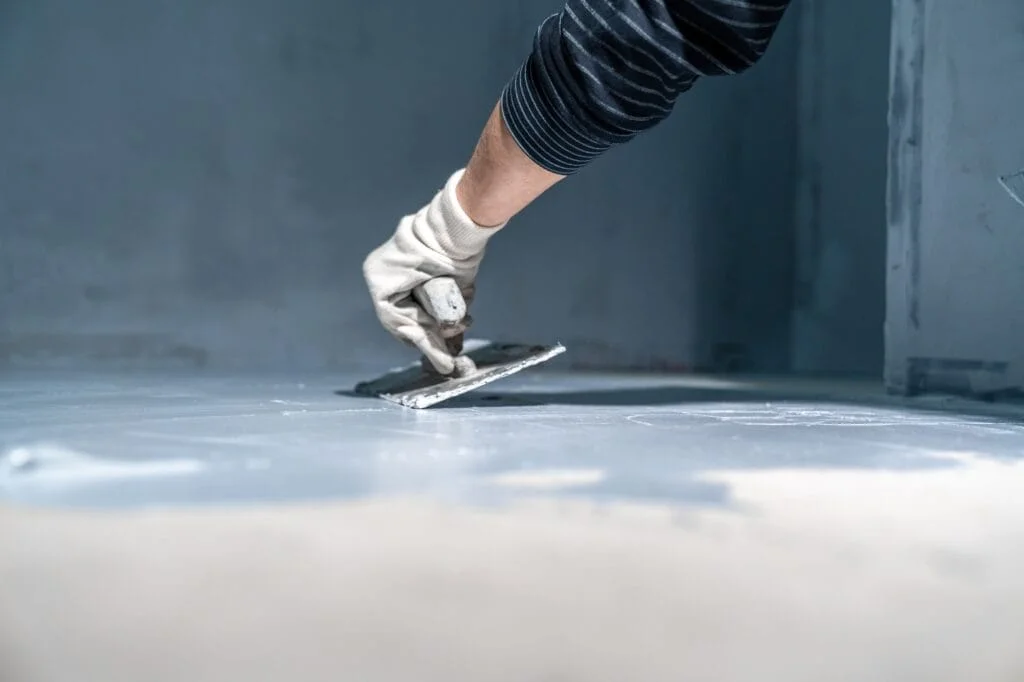
The key to achieving true waterproof performance lies in the inclusion of advanced waterproof mortar additives that modify the mortar matrix from the inside, creating a comprehensive water-resistant system rather than just a surface coating.
Core Components of Waterproof Mortar
High-quality waterproof mortar depends on the careful selection and proportioning of several essential components. Each element contributes specific properties that work synergistically to create a superior waterproofing system. Understanding these components helps manufacturers and applicators optimize formulations for specific project requirements.
Cement
Portland cement serves as the primary hydraulic binder in waterproof mortar systems. Upon hydration, cement forms calcium silicate hydrate (C-S-H) gel that provides the fundamental strength and binding properties of the mortar. The selection of appropriate cement type—whether ordinary Portland cement, sulfate-resistant cement, or rapid-hardening varieties—depends on specific application requirements and environmental exposure conditions.
Specially Graded Aggregates
Fine sand with carefully controlled particle size distribution plays a crucial role in waterproof mortar performance. Properly graded aggregates improve packing density within the mortar matrix, reducing the volume of voids that could otherwise provide pathways for water penetration. The aggregate gradation also influences workability, allowing proper placement and finishing while maintaining the dense structure necessary for waterproofing.
Controlled Water Content
Precise water dosing represents a critical factor in achieving optimal waterproof mortar performance. Accurate water-to-cement ratios ensure complete cement hydration without creating excess porosity. Too much water increases the volume of capillary pores, while insufficient water prevents complete hydration and leaves weak zones. Advanced water reducers help optimize this balance by improving workability at lower water contents.
Waterproof Mortar Additives (Critical Component)
This category represents where Mikazone provides the greatest value to waterproof mortar formulations. Our specialized additives dramatically transform standard mortar into high-performance waterproofing systems through complementary mechanisms that address multiple aspects of water resistance.
Mikazone's Essential Waterproof Mortar Additives
HPMC (Hydroxypropyl Methyl Cellulose)
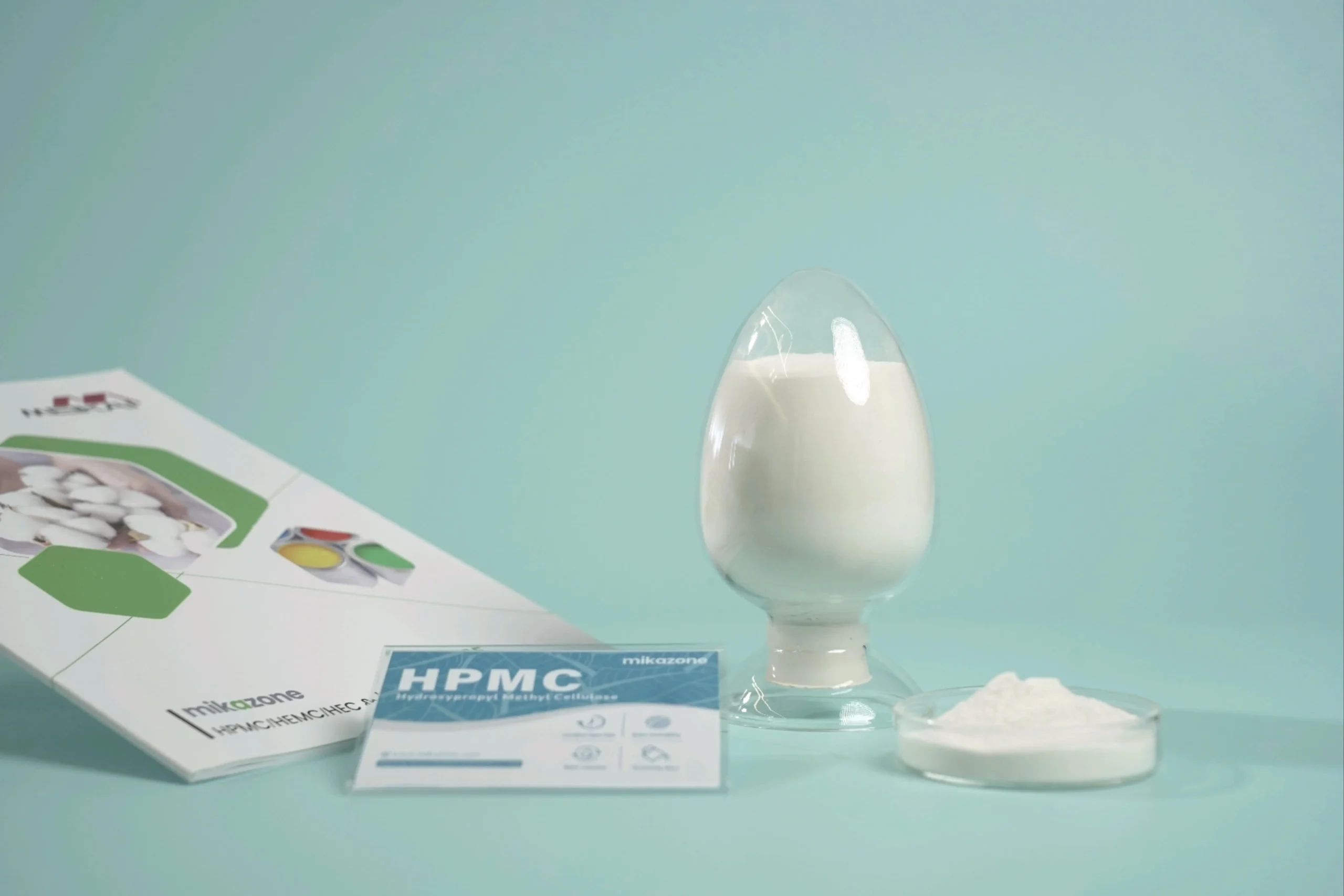
HPMC represents a water-soluble cellulose ether that provides multiple critical functions in waterproof mortar systems. This versatile additive enhances several key performance characteristics that directly contribute to waterproofing effectiveness.
Water Retention
HPMC dramatically improves water retention within the mortar, ensuring complete cement hydration even in hot or windy conditions. This complete hydration produces a denser, stronger matrix with fewer voids and superior water resistance. The water retention effect also prevents premature drying that could cause shrinkage cracks.
Workability and Lubrication
The addition of HPMC provides excellent lubrication between particles, making the mortar easier to mix, spread, and finish. This improved workability allows applicators to achieve uniform coverage and proper compaction without adding excess water that would compromise waterproofing performance.
Sag Resistance
HPMC imparts thixotropic properties that prevent sagging on vertical and overhead applications. This characteristic proves essential for waterproof mortar applications on shower walls, foundation walls, and other vertical surfaces where material slumping would create thin spots and compromise waterproofing integrity.
Enhanced Adhesion
The polymer forms a cohesive film that improves adhesion to concrete, masonry, brick, and other common substrates. Strong interfacial bonding prevents water from traveling along the substrate-mortar interface, eliminating a common waterproofing failure mode.
HPMC proves particularly essential for applications such as waterproof mortar for shower walls, wet rooms, and tanking systems where vertical application and strong adhesion are critical success factors.
Explore Mikazone HPMC Products →RDP (Redispersible Polymer Powder)
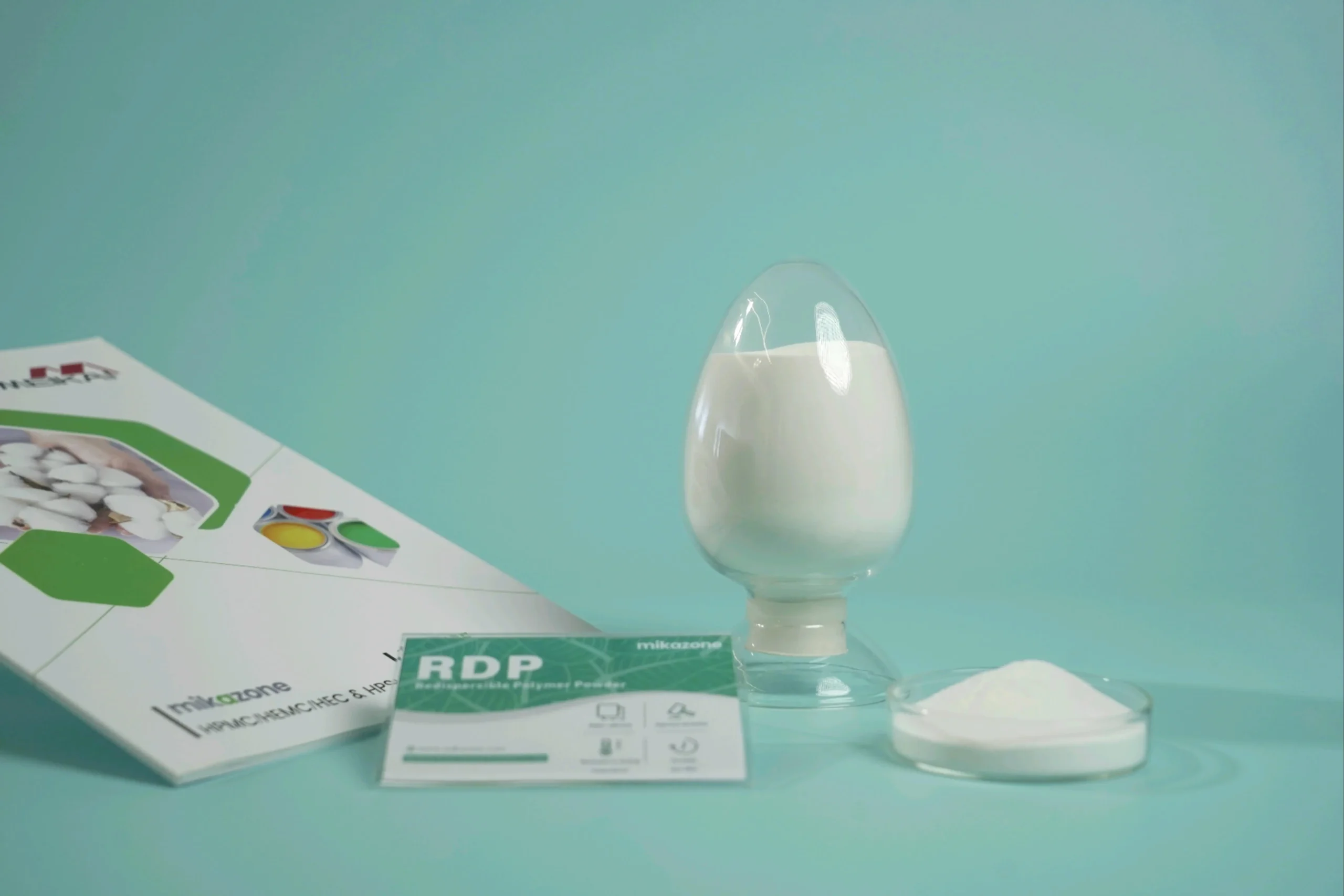
Redispersible Polymer Powder represents a spray-dried polymer emulsion that redisperses in water during mixing to form a continuous polymer film throughout the cured mortar. This film formation mechanism provides transformative improvements in waterproofing performance and durability.
Flexibility and Crack Resistance
The polymer film formed by RDP creates a flexible network within the mortar matrix that accommodates minor structural movements without cracking. This flexibility prevents the formation of micro-cracks that would otherwise provide pathways for water penetration, maintaining waterproof integrity even under dynamic loading conditions.
Superior Bond Strength
RDP significantly enhances both adhesive bond strength to substrates and cohesive strength within the mortar itself. This comprehensive strength improvement ensures that the waterproof layer remains intact and bonded even under hydrostatic pressure or mechanical stress.
Surface Cohesion
The polymer film improves surface cohesion, creating a more durable finish that resists abrasion and wear. This enhanced surface quality maintains waterproofing effectiveness throughout the service life of the structure, even in high-traffic or mechanically demanding applications.
Water Repellency
Many RDP formulations incorporate hydrophobic characteristics that actively repel water at the molecular level. This water repellency complements the physical barrier provided by reduced porosity, creating a dual-action waterproofing mechanism that provides superior long-term protection.
RDP proves indispensable for demanding waterproof mortar applications including swimming pools, balconies, terraces, wet rooms, and any environment subject to sustained water exposure or hydrostatic pressure.
Discover Mikazone RDP Solutions →PCE Superplasticizers
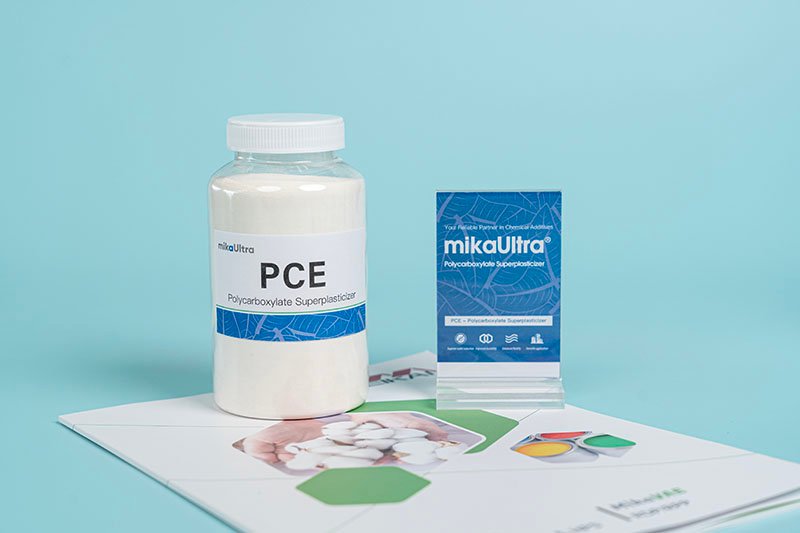
Polycarboxylate Ether (PCE) superplasticizers represent the most advanced generation of water-reducing admixtures, offering superior performance compared to traditional plasticizers. These sophisticated polymers dramatically improve waterproof mortar performance through fundamental changes to the mortar microstructure.
Significant Water Reduction
PCE superplasticizers enable water reduction of up to 30% while maintaining or improving workability. This substantial water reduction directly translates to reduced porosity and enhanced waterproofing performance, as fewer capillary pores form during curing.
Increased Density
The improved particle dispersion achieved by PCE creates a more tightly packed mortar structure with minimal voids. This increased density provides a more effective physical barrier against water penetration while simultaneously improving mechanical strength.
Lower Porosity
By reducing water content and improving particle packing, PCE superplasticizers dramatically decrease the total porosity of cured mortar. Lower porosity directly correlates with reduced water permeability, making PCE essential for achieving superior waterproofing performance.
Enhanced Strength Development
PCE-modified mortars develop both higher early strength and superior final strength compared to conventional formulations. This strength enhancement proves particularly valuable for structural waterproofing applications where the waterproof layer must also contribute to load-bearing capacity.
PCE superplasticizers are critical for projects requiring high-strength waterproof mortar, such as swimming pools, water tanks, marine structures, and any application where the waterproofing system must resist significant hydrostatic pressure or mechanical loading.
Learn About Mikazone PCE Technology →The synergistic combination of HPMC, RDP, and PCE creates a comprehensive waterproofing system that addresses water resistance through multiple complementary mechanisms—water retention, polymer film formation, reduced porosity, enhanced flexibility, and superior adhesion.
How to Apply Waterproof Mortar: Step-by-Step Guide
Correct application technique proves just as important as proper formulation for achieving reliable waterproofing performance. Improper handling, inadequate surface preparation, or rushed application can compromise even the highest-quality waterproof mortar systems. Following established best practices ensures optimal results and long-term waterproofing effectiveness.
Surface Preparation
Thorough surface preparation forms the foundation for successful waterproof mortar application. The substrate must be structurally sound, completely clean, and free from any contaminants that could interfere with adhesion. Remove all dust, dirt, grease, oil, existing coatings, laitance, and loose particles through mechanical cleaning methods such as wire brushing, grinding, or high-pressure water blasting.
Sound concrete should be roughened or profiled to provide adequate mechanical bonding surface. This can be achieved through sandblasting, scarification, or acid etching, depending on the substrate condition and project requirements. The prepared surface should have an open, textured profile that maximizes contact area with the waterproof mortar.
Substrate moisture content requires careful attention. While the surface should be saturated-surface-dry (SSD) for optimal adhesion, standing water must be removed. Pre-wetting prevents the substrate from absorbing mixing water from the mortar, which could lead to incomplete hydration and reduced waterproofing performance.
Mixing
Proper mixing technique ensures uniform distribution of all components and optimal performance of waterproof mortar additives. Always follow the manufacturer's specified mixing ratios precisely, as deviations can significantly compromise waterproofing effectiveness.
Use clean, potable water at the recommended temperature range. Add the dry waterproof mortar to the water (never water to powder) to prevent lumping. Mix using a slow-speed paddle mixer or drill attachment operating at 400-600 rpm. High-speed mixing can entrain excessive air and damage polymer structures within the additives.
Continue mixing until the mortar achieves a homogeneous, lump-free consistency. This typically requires 3-5 minutes of continuous mixing. Allow the mixed mortar to rest for 2-3 minutes to permit full hydration and activation of waterproof mortar additives, then remix briefly before application.
Never add excess water to improve workability, as this will weaken the waterproof mortar additives and compromise waterproofing performance. If additional workability is needed, increase the HPMC content in the formulation rather than adding water.
Application (Two-Coat System)
Professional waterproofing applications typically employ a two-coat system that provides redundancy and ensures complete coverage. This layered approach accommodates minor application imperfections in individual coats while achieving the total thickness required for effective waterproofing.
First Coat – Bonding Layer
Apply the first coat using firm trowel pressure to press the mortar into the substrate surface. This bonding layer should be worked into the substrate texture to maximize mechanical interlock and eliminate any air voids at the interface. The first coat typically ranges from 2-3 mm thick and should fully wet out the substrate surface.
Use a cross-hatching or scratching technique on the surface of the first coat while still plastic. This roughened texture provides mechanical bonding for the second coat and ensures excellent inter-coat adhesion.
Second Coat – Waterproofing Layer
Apply the second coat after the first coat has achieved initial set but remains damp (typically 4-24 hours depending on conditions). The second coat should be applied to a thickness of 3-6 mm, bringing the total system thickness to the design specification.
Ensure complete coverage with no thin spots, pinholes, or holidays. Pay particular attention to transitions, penetrations, and detail areas where waterproofing integrity is most vulnerable. Use a straight edge or screed to verify uniform thickness across large areas.
Reinforcement for Critical Areas
For corners, construction joints, pipe penetrations, and movement areas, embed alkali-resistant fiberglass mesh or fabric reinforcement between the first and second coats. This reinforcement distributes stress and prevents crack propagation at vulnerable locations.
Finishing and Curing
Proper finishing and curing practices ensure that the waterproof mortar achieves its full performance potential. Finish the surface using appropriate tools to achieve the desired texture—whether smooth-troweled for tile installation or textured for aesthetic purposes.
Protect the freshly applied waterproof mortar from rapid drying, which can cause shrinkage cracks and compromise waterproofing. In hot, dry, or windy conditions, use fog misting, wet burlap, or plastic sheeting to maintain moisture at the surface.
Cure the waterproof mortar for a minimum of 3-7 days depending on ambient conditions and product specifications. During this period, keep the surface damp through light misting several times daily. Avoid standing water, which can leach cement compounds from the surface.
Proper curing allows the cement to fully hydrate, the polymer film to fully form, and the waterproof mortar additives to achieve their designed performance characteristics. Inadequate curing represents one of the most common causes of premature waterproofing failure.
For large-area applications, work in manageable sections with wet edges to prevent cold joints. Plan the work sequence to minimize the number of joints and locate any necessary joints away from areas of high water exposure or hydrostatic pressure. Properly executed cold joints with adequate overlap can perform well, but eliminating unnecessary joints provides superior waterproofing reliability.
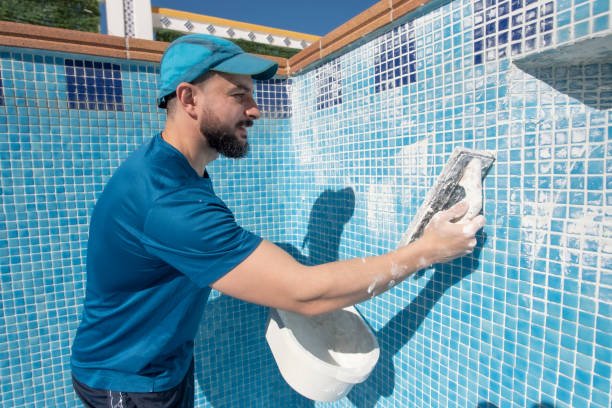
Where Waterproof Mortar Is Used
Waterproof mortar enhanced with Mikazone additives serves critical waterproofing functions across diverse construction applications. Understanding these applications helps specify appropriate formulations and application techniques for specific project requirements.
Swimming Pools & Water Tanks
Swimming pools and water-retaining structures represent some of the most demanding waterproofing applications, requiring systems that resist continuous hydrostatic pressure, chemical exposure from treatment systems, and thermal cycling. Waterproof mortar formulated with RDP for flexibility and PCE for density provides the robust waterproofing necessary for these applications.
The system must accommodate structural movement without cracking while maintaining complete water-tightness under sustained pressure. Pool waterproofing also requires resistance to chlorine and other pool chemicals that can degrade inferior waterproofing systems. Properly formulated waterproof mortar provides decades of reliable service in these challenging environments.
Showers & Wet Rooms
Residential and commercial shower areas require waterproofing systems that protect the building structure from daily water exposure while providing a suitable substrate for tile installation. Waterproof mortar serves as the critical waterproofing layer beneath tile finishes, preventing water from reaching the substrate and causing rot, mold, or structural damage.
The waterproof mortar must exhibit excellent adhesion to vertical surfaces, sag resistance during application, and compatibility with thin-set tile mortars. HPMC-enhanced formulations provide the workability and vertical stability necessary for successful shower waterproofing, while RDP ensures long-term flexibility and water resistance.
Basements & Foundations
Below-grade waterproofing protects basements and foundations from groundwater intrusion and hydrostatic pressure. Waterproof mortar applied to the exterior of foundation walls creates a seamless barrier that prevents water from entering the structure. Interior applications provide secondary protection and can address existing moisture problems.
Foundation waterproofing requires systems with excellent crack-bridging ability to accommodate minor settlement and thermal movement. The waterproof mortar must also resist soil chemicals and maintain performance in continuously damp conditions. PCE-densified formulations provide the low permeability essential for effective below-grade waterproofing.
Bridges & Marine Structures
Transportation infrastructure and marine construction face extreme waterproofing challenges including freeze-thaw cycling, de-icing salt exposure, and constant water contact. Waterproof mortar protects concrete bridge decks, piers, and marine structures from chloride penetration that causes reinforcement corrosion.
These applications demand waterproof mortar with superior durability, chemical resistance, and the ability to withstand repeated freeze-thaw cycles. The combination of low permeability from PCE, flexibility from RDP, and enhanced durability from HPMC creates systems capable of protecting critical infrastructure for extended service lives.
Balconies & Terraces
Elevated exterior surfaces such as balconies and terraces require waterproofing that protects the substrate while providing a durable base for walking surfaces and finishes. Water intrusion through these horizontal surfaces can damage interior spaces below and compromise structural integrity.
Waterproof mortar for balconies and terraces must accommodate thermal expansion and contraction, resist UV exposure, and provide adequate slope for drainage. The system should also be compatible with various finish materials including tile, pavers, and coatings. Properly formulated waterproof mortar creates a reliable barrier that protects the structure while supporting aesthetic finishes.
Tunnels & Underground Structures
Underground construction including tunnels, subway stations, and parking structures requires comprehensive waterproofing to prevent groundwater intrusion and maintain dry, usable spaces. Waterproof mortar provides both primary waterproofing and repair of existing leaks in these challenging environments.
The system must perform under high hydrostatic pressure while accommodating the structural movements common in underground construction. Rapid-setting formulations allow waterproofing of active leaks without requiring complete dewatering, making them invaluable for renovation and repair projects.
Across all these applications, the quality of waterproof mortar additives directly determines long-term waterproofing success. Mikazone's HPMC, RDP, and PCE products provide the performance characteristics necessary for reliable protection in even the most demanding environments.
Why Choose Waterproof Mortar Additives from Mikazone?
As a professional manufacturer of construction and industrial chemical additives, Mikazone specializes in producing high-quality HPMC, RDP, and PCE waterproof mortar additives that meet the demanding requirements of modern construction. Our commitment to quality, innovation, and customer support makes us the preferred partner for manufacturers and contractors seeking reliable waterproofing solutions.
Consistent Product Quality
Mikazone operates under ISO-certified quality management systems that ensure every production batch meets rigorous international standards. Our comprehensive quality control processes include raw material verification, in-process monitoring, and finished product testing to guarantee consistent performance characteristics across all deliveries.
Each batch of waterproof mortar additives undergoes extensive testing for key parameters including viscosity, particle size distribution, moisture content, ash content, and performance characteristics in standardized mortar formulations. This rigorous testing ensures that our additives deliver predictable, reliable performance in your waterproof mortar systems.
View Our Quality Certifications →Excellent Dispersibility
Our waterproof mortar additives are engineered for superior dispersibility in cementitious systems, ensuring uniform distribution throughout the mortar matrix. This excellent dispersion characteristic translates directly to consistent waterproofing performance and eliminates the risk of localized weak points or inadequate protection.
The carefully controlled particle size distribution and surface treatment of our additives facilitate rapid, complete dispersion even in high-solids formulations. This ease of incorporation simplifies manufacturing processes and ensures that the full performance potential of each additive is realized in the finished waterproof mortar.
High-Efficiency Performance
Mikazone's waterproof mortar additives deliver exceptional performance at optimized dosage levels, providing superior cost-effectiveness compared to conventional alternatives. Our advanced formulation technology maximizes the efficiency of each additive, allowing you to achieve target waterproofing performance with lower additive loadings.
This high efficiency translates to reduced material costs, simplified formulations, and improved manufacturing economics without compromising waterproofing effectiveness. Whether you're producing pre-mixed waterproof mortar or modifying on-site systems, our additives provide the best balance of performance and value.
Technical Support for Formulation Optimization
Mikazone provides comprehensive technical support to help customers optimize their waterproof mortar formulations for specific applications and performance requirements. Our experienced technical team offers guidance on additive selection, dosage optimization, mixing procedures, and application techniques.
We work collaboratively with customers to troubleshoot formulation challenges, improve existing products, and develop new waterproof mortar systems. This technical partnership ensures that you achieve optimal results from our waterproof mortar additives while meeting your specific project requirements and performance specifications.
Access Technical Resources →Customized Grades for Specific Applications
Recognizing that different waterproofing applications have unique performance requirements, Mikazone offers customized grades of HPMC, RDP, and PCE tailored to specific waterproof mortar applications. Whether you need enhanced water retention for hot-climate applications, superior flexibility for dynamic structures, or rapid strength development for quick-turnaround projects, we can provide optimized additive solutions.
Our customization capabilities extend to particle size distribution, viscosity grades, polymer composition, and other key parameters that influence waterproof mortar performance. This flexibility allows you to develop differentiated products that meet precise market needs and performance specifications.
Explore Custom Solutions →Our Commitment to Your Success
Whether you produce pre-mixed waterproof mortar, modify on-site systems, or develop new construction materials, Mikazone's waterproof mortar additives help you achieve superior performance characteristics that set your products apart in the marketplace. Our additives enable you to deliver waterproof mortar systems with lower permeability, improved flexibility, stronger adhesion, and longer service life.
We view our relationship with customers as a long-term partnership focused on mutual success. Beyond supplying high-quality waterproof mortar additives, we provide ongoing technical support, market insights, and collaborative innovation to help you succeed in competitive construction markets.
Learn More About Mikazone →Performance Benefits of Mikazone Waterproof Mortar Additives
The strategic incorporation of Mikazone's HPMC, RDP, and PCE additives into waterproof mortar formulations delivers comprehensive performance improvements that address the multiple failure mechanisms that compromise conventional mortar systems. Understanding these benefits helps specify appropriate additive combinations for specific waterproofing challenges.
Key Performance Enhancements
Dramatically Lower Permeability
The combination of reduced water content from PCE and polymer film formation from RDP creates an extremely dense, low-permeability matrix that effectively blocks water penetration. This reduced permeability provides the fundamental waterproofing protection necessary for long-term structural preservation.
Superior Flexibility and Crack Resistance
RDP-modified waterproof mortar accommodates structural movements and minor settlement without cracking, maintaining waterproof integrity throughout the service life. This flexibility proves essential for applications subject to thermal cycling, vibration, or dynamic loading.
Enhanced Adhesion Strength
HPMC and RDP work synergistically to improve both adhesive bonding to substrates and cohesive strength within the mortar. This comprehensive strength enhancement ensures that the waterproof layer remains intact and bonded even under challenging conditions.
Extended Service Life
The durability improvements provided by Mikazone additives translate directly to extended waterproofing service life. Properly formulated systems resist degradation from freeze-thaw cycling, chemical exposure, and physical wear, maintaining waterproof effectiveness for decades.
Improved Workability
HPMC-enhanced waterproof mortar offers superior workability that facilitates proper application and ensures complete coverage. Improved workability reduces application time and labor costs while improving the consistency and reliability of the finished waterproofing system.
Reduced Maintenance Requirements
The superior performance and durability of additive-enhanced waterproof mortar dramatically reduces maintenance requirements and lifecycle costs. Reliable, long-lasting waterproofing protection minimizes the need for costly repairs and renovations.
Laboratory testing demonstrates that waterproof mortar formulated with Mikazone HPMC, RDP, and PCE exhibits water permeability coefficients below 1×10⁻¹² m/s, compared to 1×10⁻⁹ m/s for conventional mortar—representing a 1000-fold improvement in waterproofing effectiveness. This dramatic performance enhancement directly translates to superior protection and extended service life in real-world applications.
Conclusion
Waterproof mortar represents an essential component of modern construction, protecting buildings and infrastructure from the devastating effects of moisture intrusion. However, achieving true waterproofing performance requires more than just cement and sand—it demands high-performance waterproof mortar additives that fundamentally transform the material's interaction with water.
The strategic incorporation of specialized additives addresses waterproofing through multiple complementary mechanisms. HPMC provides water retention and workability that ensure complete hydration and proper application. RDP creates flexible polymer films that resist water penetration while accommodating structural movement. PCE superplasticizers reduce water content and increase density, creating an extremely low-permeability matrix that forms an effective physical barrier against moisture.
The Mikazone Advantage
Mikazone is proud to supply premium waterproof mortar additives that elevate mortar performance to meet the demanding requirements of modern construction. Our HPMC, RDP, and PCE products represent the culmination of advanced polymer chemistry, rigorous quality control, and decades of application experience in waterproofing systems worldwide.
When you choose Mikazone waterproof mortar additives, you benefit from consistent product quality, excellent technical support, and the confidence that comes from partnering with a manufacturer committed to your success. Our additives enable you to produce waterproof mortar systems capable of resisting long-term water pressure and environmental exposure while meeting the aesthetic and functional requirements of diverse construction applications.
Whether you're waterproofing swimming pools, protecting foundations, renovating wet rooms, or developing new construction materials, Mikazone provides the high-performance additives necessary to achieve reliable, long-lasting waterproofing protection. Our technical team stands ready to support your formulation development, troubleshoot application challenges, and help you optimize waterproof mortar systems for specific project requirements.
Transform standard mortar into high-performance waterproofing systems with Mikazone's advanced waterproof mortar additives. Contact us today for customized formulations, technical guidance, and samples tailored to your specific waterproofing applications.
Frequently Asked Questions
No, standard cement mortar is inherently porous and allows water to penetrate through capillary pores, micro-cracks, and zones of incomplete hydration. To achieve true waterproofing, mortar must be enhanced with specialized waterproof mortar additives such as HPMC, RDP, and PCE that modify the matrix structure and create effective barriers against water penetration.
Rapid-set waterproofing mortar is a quick-curing, polymer-modified formulation designed to seal active leaks within minutes of application. This specialized material proves ideal for emergency repairs in swimming pools, basements, water tanks, and tunnels where complete dewatering is impractical. Rapid-set formulations typically incorporate accelerating admixtures alongside standard waterproof mortar additives to achieve both fast strength development and reliable waterproofing performance.
Waterproof mortar enhanced with Mikazone additives is commonly used in swimming pools, water tanks, showers, wet rooms, basements, foundations, bridges, marine structures, tunnels, underground parking, balconies, and terraces. Any application where moisture protection is critical benefits from properly formulated waterproof mortar systems.
Select waterproof mortar formulations based on several key factors including required flexibility, expected water exposure conditions, chemical resistance requirements, substrate type, application method, and environmental conditions during installation and service. For best results, incorporate high-performance waterproof mortar additives such as HPMC for workability and water retention, RDP for flexibility and water repellency, and PCE for density and strength. Consult with Mikazone's technical team for specific formulation recommendations tailored to your project requirements.
Professional waterproofing typically requires a total system thickness of 5-8 mm applied in two coats. The first bonding coat should be 2-3 mm thick, followed by a 3-6 mm waterproofing coat. For applications subject to high hydrostatic pressure or extreme exposure conditions, thicker systems up to 10-12 mm may be specified. Always follow manufacturer recommendations and project specifications for appropriate thickness requirements.
Waterproof mortar should be applied to surfaces that are saturated-surface-dry (SSD)—meaning damp but without standing water. This moisture condition prevents the substrate from absorbing mixing water from the mortar, which could lead to incomplete hydration and reduced waterproofing performance. Remove any standing water before application, but keep the surface damp to optimize adhesion and hydration.
Ready to Enhance Your Waterproof Mortar Systems?
Contact Mikazone today for technical consultation, product samples, or customized waterproof mortar additive solutions tailored to your specific construction and waterproofing requirements. Our expert team is ready to support your success with high-quality HPMC, RDP, and PCE products backed by comprehensive technical guidance.
Contact Mikazone Today